Union vs. goats, a case study for why members should question union leadership
Jul 24, 2026The Center Square first published this opinion piece.
News headlines and television talking heads daily stoke fears that artificially intelligent supercomputers will soon take our jobs. So, credit to the Columbus city workers’ union for giving us another labor-saving technology to worry about: goats.
The AFSCME Local 1632 has filed a grievance against Columbus because the city is using goats to clear brush at the Columbus Water & Power’s Southerly Water Reclamation Plant.
As ancient Egyptians and early Ohio settlers knew, goats offer significant advantages over humans when it comes to clearing brush – they don’t take sick days, rarely complain, never need coffee breaks, and don’t scroll social media feeds while they’re on the clock. Goat droppings provide a natural fertilizer for vegetation, but their multi-chamber stomachs destroy seed viability, so they do an admirable job keeping invasive weeds at bay. And they do it all with far more charm and quiet whimsy than a loud, gas-powered weedwhacker could ever muster.
Goats offer the people of Columbus more savings and better service, but the public-sector union leaders object anyway. Whether cost-saving efficiency for taxpayers comes from high-tech AI or low-tech weed eaters, the union’s recurring objections highlight the inherent conflict between its leaders, its taxpaying members, and the public.
Many rank-and-file public union members put the public good ahead of a few extra hours of work. And the increase in public union workers opting out of union membership points to at least some rank-and-file members’ disagreement with union leaders’ priorities, whether that is filing a grievance over a goat contract or funding social causes unrelated to the workplace.
In 2018, the U.S. Supreme Court’s decision in Janus v. AFSCME held that public-sector unions could not require their employee members to pay “agency” fees as a condition of their employment. The Supreme Court explained that the First Amendment protected not only the right to speak, but also the right to be free from being compelled to speak – and requiring dues to pay for messages that members do not support is a form of unconstitutional compelled speech.
The Ohio Supreme Court will soon take up Sheldon v. OAPSE, a related case brought by The Buckeye Institute. The court will consider whether public-sector union members who quit the union over objections to how their dues are spent but must continue paying them for the remainder of their contracts may challenge the required payments in court. Sheldon will affect tens of thousands of unionized public employees and goes to the heart of First Amendment free speech protection.
As Local 1632’s recent decision to spend member dues on grievances over goats and lawn maintenance shows, union members have ample reason to question union leadership and refuse to follow the herd.
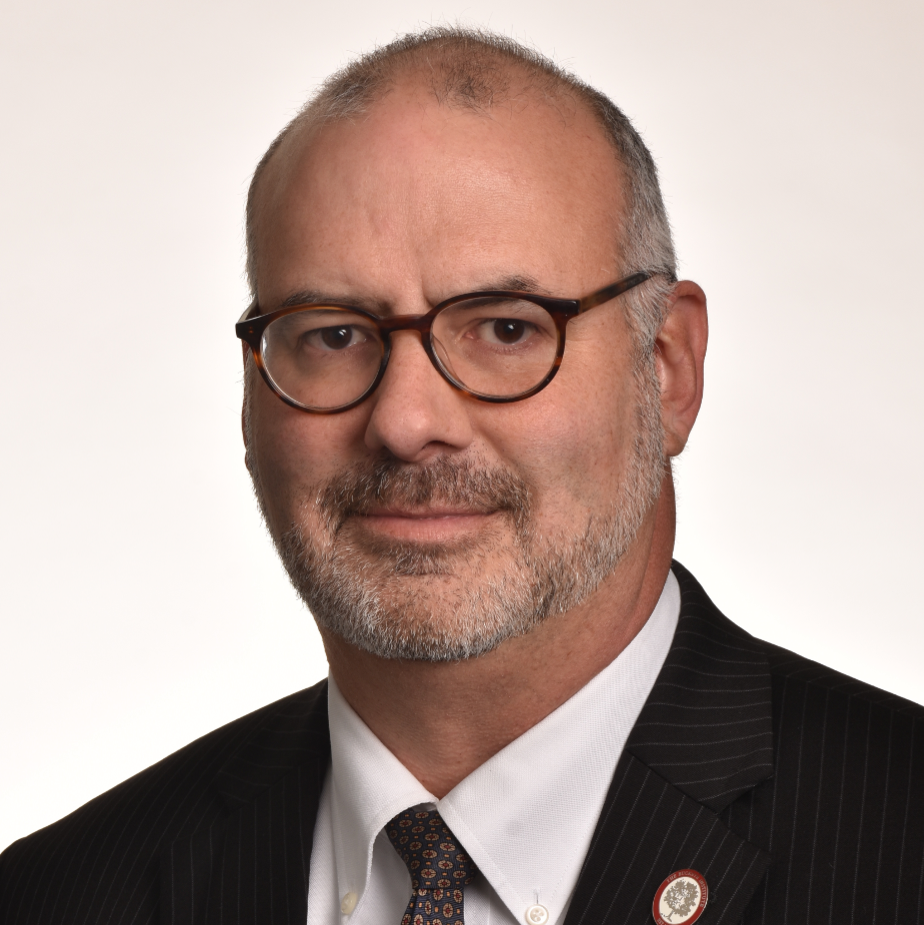
Jay R. Carson is a senior litigator at The Buckeye Institute and the counsel of record on Sheldon v. OAPSE.