

Legal Briefs
The Buckeye Institute Charges OAPSE with Unfair Labor Practice Case…Again!
April 16, 2026
In another filing with the State Employment Relations Board (SERB)—the second in a week—The Buckeye Institute charged the Ohio Association of Public School Employees (OAPSE) with an unfair labor practice for refusing to stop its illegal union wage theft from The Buckeye Institute’s client, Anthony Groves, even though Mr. Groves resigned from the union during his opt-out window.
The Buckeye Institute Notches Huge Win in Home Distilling Case: Federal Court Rules Ban Unconstitutional
April 13, 2026
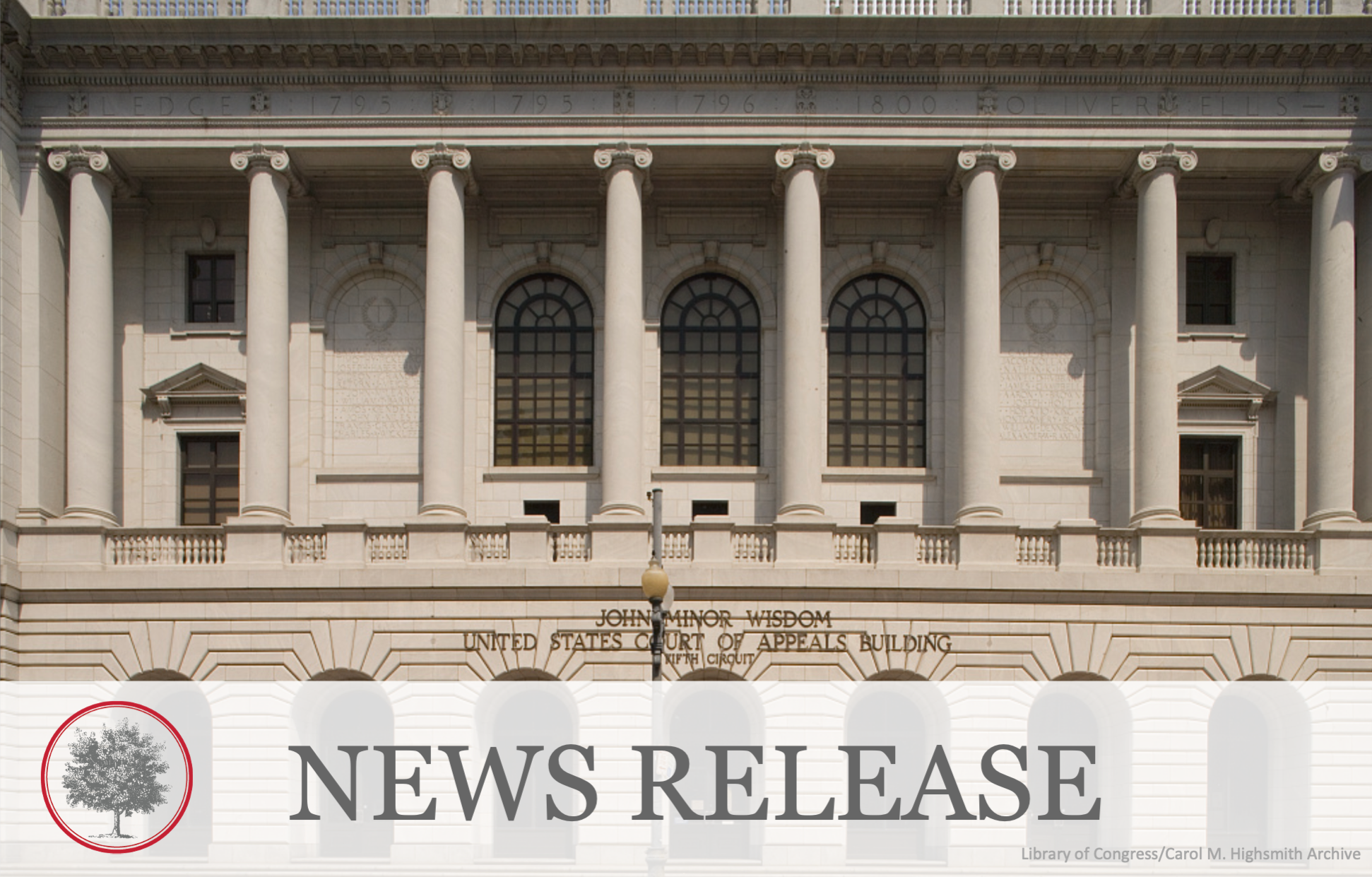
The Buckeye Institute prevailed in its efforts to overturn the federal government’s unconstitutional ban on home distilling. Friday’s blockbuster decision in McNutt v. U.S. Department of Justice from the U.S. Court of Appeals for the Fifth Circuit found that the federal home-distilling ban is unconstitutional and exceeds Congress’s authority under both the taxing power and the Necessary and Proper Clause. “This decision is an important victory for individual liberty and the principle that the federal government is one of limited powers.”
The Buckeye Institute to SERB: OAPSE’s Union Wage Theft is Unfair Labor Practice Case
April 13, 2026
In a filing with the State Employment Relations Board, The Buckeye Institute charged the Ohio Association of Public School Employees (OAPSE) with an unfair labor practice for refusing to stop its illegal union wage theft from The Buckeye Institute’s client, Robert Gibson, even though Mr. Gibson resigned from the union during his opt-out window. “When Mr. Gibson decided to quit the government union, he did his research to decipher OAPSE’s opt-out window hieroglyphs and ensure he abided by the union’s opt-out window.”
In Brief to SCOTUS, The Buckeye Institute Argues Congress Cannot Abdicate Lawmaking Responsibilities
March 23, 2026
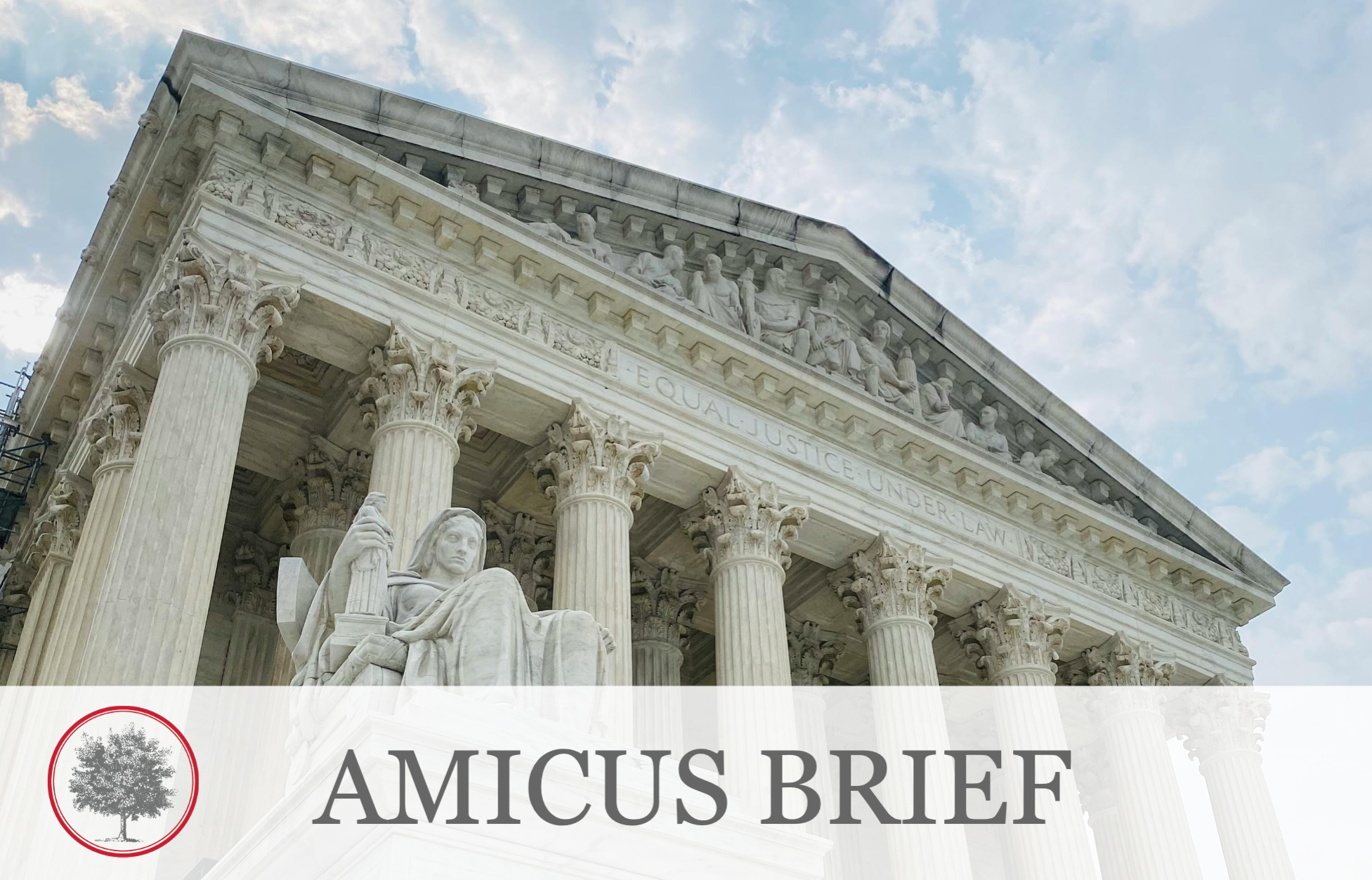
The Buckeye Institute filed an amicus brief in Pheasant v. United States, calling on the U.S. Supreme Court to revive the nondelegation doctrine and tell Congress it cannot abdicate its lawmaking responsibilities—particularly its role in creating criminal statutes—to the executive branch. “When Congress allows executive agencies to create rules and regulations with the effect of laws, Congress has abdicated the responsibility of lawmaking.”
The Buckeye Institute Argues Ohio Preemption Power Does Not Violate Home Rule
March 03, 2026
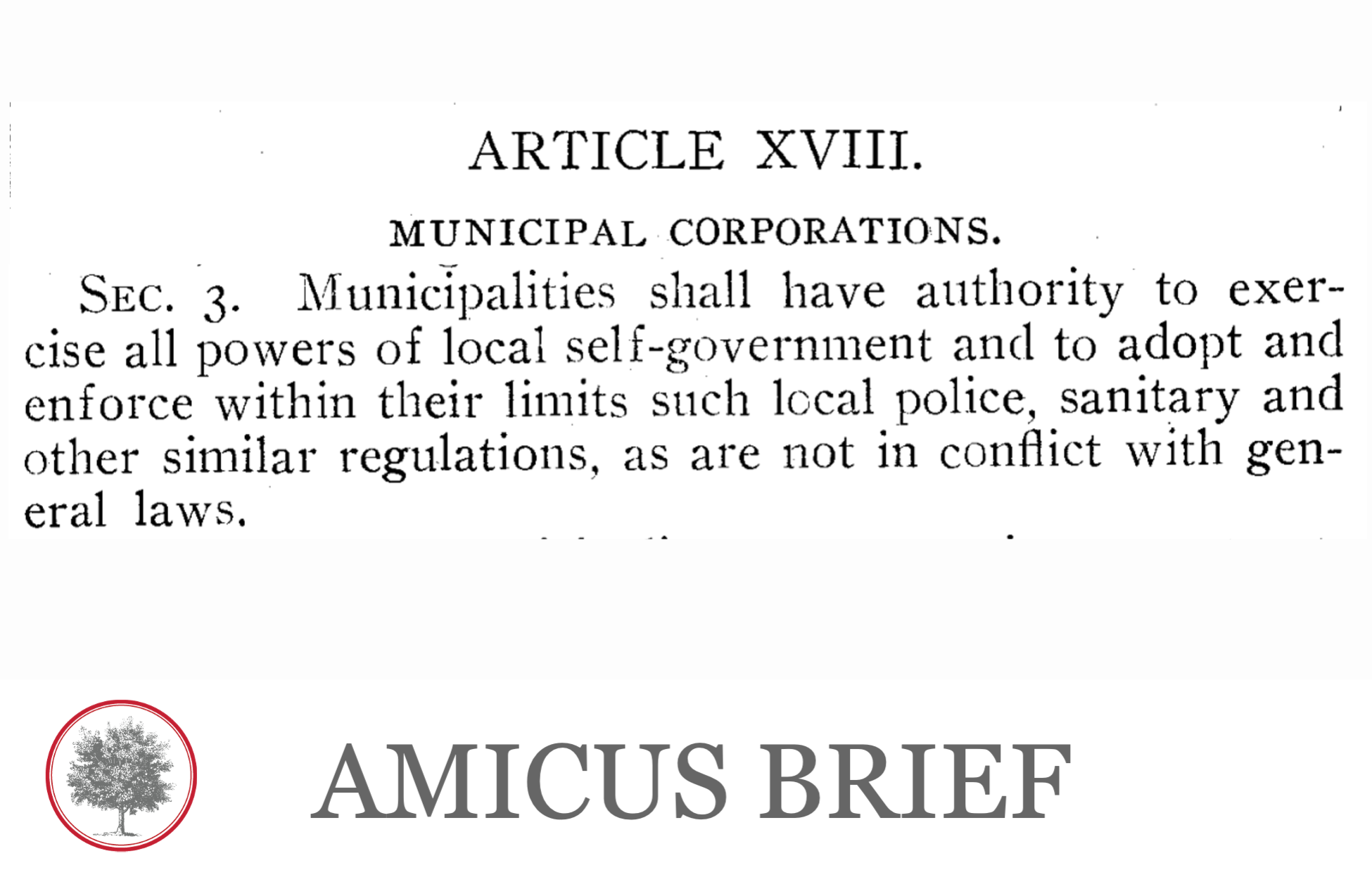
The Buckeye Institute filed its amicus brief in Columbus v. Ohio, calling on the Ohio Supreme Court to uphold Ohio’s broad preemption power, arguing that the state is supreme in matters of general concern and, as a result, state laws preempting local regulations do not violate Ohio’s Home Rule Amendment. “Before Ohio adopted its 1912 Constitution, the meaning of the phrase ‘general laws’ was well-understood as meaning a law of statewide effect.”
The Buckeye Institute to SCOTUS: Civil Jury Trials are Constitutional Safeguard Against Government Overreach
February 25, 2026
The Buckeye Institute filed an amicus brief in FCC v. AT&T and Verizon v. FCC with the U.S. Supreme Court, arguing that the U.S. Constitution does not allow federal agencies to impose monetary penalties without affording the accused a jury trial. “From the Founding, the right to trial by jury in civil cases was understood as a structural safeguard against governmental overreach. Our Founding Fathers understood that a jury was not a procedural luxury. It was a constitutional check on government power.”
The Buckeye Institute Calls on Ohio Supreme Court to Stop Cuyahoga Co.’s Home Equity Theft Scheme
February 23, 2026

The Buckeye Institute filed an amicus brief in Craig v. Cromes, calling on the Ohio Supreme Court to hear the case and put an end to Cuyahoga County’s home equity theft scheme. When they loaded their wagons and lit out for the West, the men and women who settled what would become Cuyahoga County would have understood the takings clause to plainly encompass the right to recover the surplus value—or equity—of their property’s value if their property was foreclosed on and sold to settle a tax debt.
The Buckeye Institute Calls on SCOTUS to Protect Teachers’ 1st Amendment Rights Beyond Schoolhouse Gates
February 11, 2026
The Buckeye Institute filed an amicus brief in Hedgepeth v. Britton, calling on the U.S. Supreme Court to hear the case and protect the First Amendment rights of government employees, including teachers. This case illustrates the tension between suppressing speech based on a heckler’s veto and protecting out-of-school speech that does not actually disrupt the learning environment or undermine the employee’s ability to fulfill his or her job.
The Buckeye Institute Calls on SCOTUS to Revive Judicial Review
February 05, 2026
The Buckeye Institute filed an amicus brief in Carbin v. Massachusetts Board of State Examiners of Plumbers and Gas Fitters, calling on the U.S. Supreme Court to hear the case and revive the judiciary’s independent duty to interpret and enforce constitutional limits. The Manhattan Institute joined The Buckeye Institute in filing its brief. “The Constitution was not designed to subordinate liberty to legislative convenience, and due respect for Congress does not entail blind acceptance of its assertions.”
The Buckeye Institute Calls on Court to End Forced Quartering of Government-Mandated Monitors
January 23, 2026
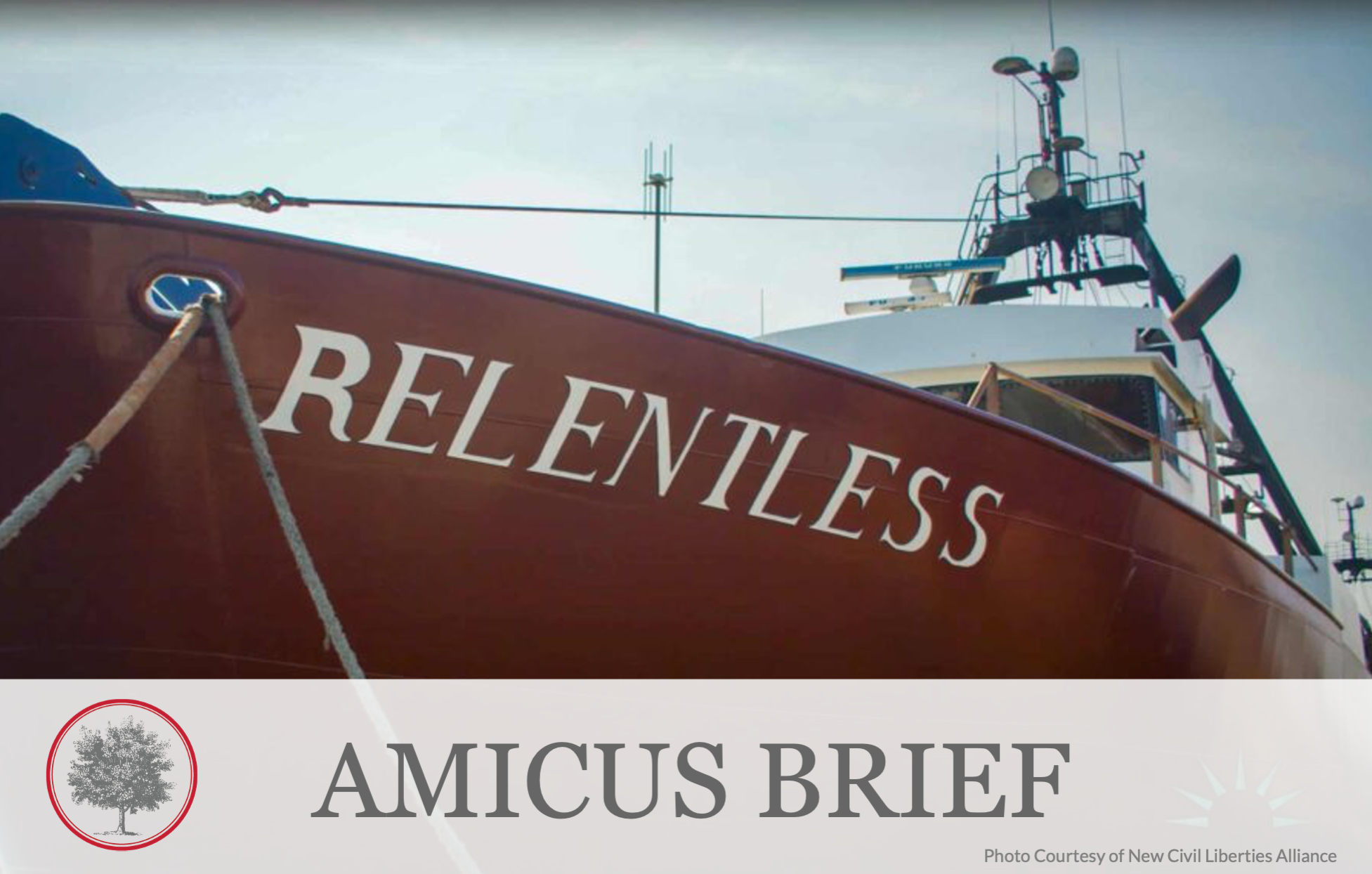
The Buckeye Institute filed an amicus brief with the U.S. Court of Appeals for the First Circuit in Relentless v. U.S. Department of Commerce, calling on the court to reverse the lower court’s ruling and throw out a U.S. Department of Commerce rule that forces commercial fishermen to house, feed, and pay the salaries of their government-mandated monitors. In reaching its decision, the lower court ignored the U.S. Supreme Court’s landmark decision overturning the Chevron doctrine—judicial deference to executive agencies’ interpretation of the law.